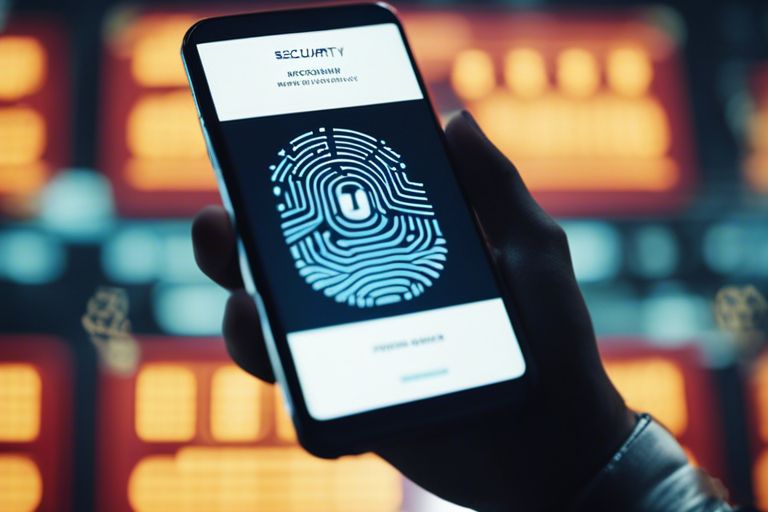
Secure biometric authentication has been heralded as a revolutionary way to safeguard our digital finances in an age where cyber threats are becoming increasingly sophisticated. With the ability to use unique biological traits like fingerprints, facial recognition, and voice patterns to verify our identities, biometric technology offers a level of security that traditional passwords and PINs simply cannot match. However, while biometric authentication provides many benefits, it also comes with its own set of risks and challenges that must be carefully considered.
Key Takeaways:
- Biometric authentication offers a strong layer of security: Biometric authentication methods like fingerprint or facial recognition are considered highly secure as they provide a unique and nearly impossible-to-replicate identifier.
- Multi-factor authentication is the best practice: While biometric authentication is effective, combining it with other factors like passwords or security tokens enhances the overall security of your digital finances.
- Continuous monitoring and updates are crucial: To ensure the safety of your digital finances, it is important to regularly update your biometric authentication settings and stay informed about any new security measures or threats in the digital world.
Understanding Biometric Authentication
While passwords and PINs have been the traditional methods of securing digital finances, biometric authentication is gaining popularity as a more secure and convenient alternative. By using unique biological characteristics to verify a person’s identity, such as fingerprints or facial features, biometric authentication offers a higher level of security than traditional methods.
The Basics of Biometric Technologies
Basics
Biometric authentication relies on the use of biometric technologies to accurately identify individuals. These technologies capture and analyze specific biological characteristics that are unique to each person, such as fingerprints, iris patterns, facial features, voice patterns, and even behavioral traits like typing speed. By comparing these biometric identifiers against stored templates, systems can authenticate users with a high degree of accuracy.
Types of Biometric Identifiers
An
There are several types of biometric identifiers that can be used for authentication:
- Fingerprint recognition: This is one of the most commonly used biometric identifiers. It analyzes the unique patterns of ridges and valleys on a person’s fingertip.
- Facial recognition: This technology analyzes facial features like the distance between the eyes, nose, and mouth to verify identity.
- Iris scanning: By analyzing the intricate patterns in the colored part of the eye, this biometric identifier offers a high level of accuracy.
- Voice recognition: This technology analyzes the unique vocal characteristics of an individual, such as pitch and tone.
- Behavioral biometrics: This includes unique traits like typing speed, gait analysis, or even signature verification.
Recognizing the importance of using multiple biometric identifiers for enhanced security is crucial in preventing unauthorized access to sensitive financial information.
| Biometric Identifier | Description |
|---|---|
| Fingerprint recognition | Analyzes unique patterns on fingertips |
| Facial recognition | Analyzes facial features for identity verification |
| Iris scanning | Examines patterns in the colored part of the eye |
| Voice recognition | Analyzes unique vocal characteristics |
| Behavioral biometrics | Includes traits like typing speed or gait analysis |
Types of Biometric Identifiers
A
While each type of biometric identifier has its strengths and weaknesses, using a combination of them can significantly enhance security measures. For example, combining fingerprint recognition with facial recognition can create a more robust authentication process, making it harder for fraudsters to bypass.
- Facial recognition: Easy to use and non-intrusive, but can be vulnerable to spoofing attacks.
- Iris scanning: Highly accurate but requires specialized hardware and can be slower than other methods.
- Voice recognition: Convenient for hands-free authentication but can be affected by background noise.
- Behavioral biometrics: Offers continuous authentication but may require user participation in training the system.
Recognizing the importance of using a combination of biometric identifiers can help financial institutions create a more secure environment for conducting digital transactions.
| Biometric Identifier | Security Level |
|---|---|
| Facial recognition | Moderate |
| Iris scanning | High |
| Voice recognition | Moderate |
| Behavioral biometrics | Variable |
Advantages of Biometric Authentication
Increased Security Features
On the forefront of digital security, biometric authentication offers an unmatched level of protection for your financial transactions. Traditional methods like passwords and PINs can easily be stolen or guessed, putting your sensitive information at risk. Biometric authentication uses unique physical characteristics such as fingerprint, iris scan, or facial recognition, making it nearly impossible for unauthorized users to access your accounts.
User Convenience and Speed
On the flip side of the coin, biometric authentication also provides a seamless user experience, increasing convenience and speed when accessing your digital finances. This technology eliminates the need to remember complex passwords or carry physical tokens, enabling a quick and effortless login process with just a touch or glance. Whether you’re in a hurry or simply prefer a hassle-free way to manage your finances, biometric authentication delivers the efficiency you need.
Potential Risks and Challenges
Privacy Concerns
With the increasing use of biometric authentication in securing digital finances, there are growing concerns regarding privacy. Users worry about their biometric data being stored and potentially falling into the wrong hands.
Technical Vulnerabilities
Technical vulnerabilities pose a significant challenge when implementing biometric authentication for digital finance security. For instance, systems can be hacked, spoofed, or even manipulated, leading to unauthorized access to sensitive financial information.
Comparing Biometric Authentication with Other Security Methods
Despite the growing popularity of biometric authentication, it’s crucial to consider how it compares to other security methods. According to a recent article on Biometrics and Tokens: The Future of Secure Banking, exploring various options can help in determining the safest way to secure your digital finances.
| Passwords and PINs | Two-Factor and Multi-Factor Authentication |
| On the one hand, traditional passwords and PINs have been the standard for online security for years. However, they are susceptible to hacking and phishing attacks, making them less secure compared to biometric authentication. | With two-factor and multi-factor authentication, users are required to provide more than just a password to access their accounts. This additional layer of security can significantly reduce the risk of unauthorized access and fraudulent activities. |
Implementing Biometric Authentication in Digital Finance
All financial institutions looking to enhance security measures in digital finance should consider implementing biometric authentication. This advanced technology offers a more secure and convenient way for customers to access their accounts and conduct transactions. However, successful implementation requires careful planning and consideration of various factors.
Best Practices for Deployment
Finance organizations must first ensure that the biometric authentication system they choose is robust and reliable. It is crucial to invest in high-quality biometric hardware and software that can accurately verify users’ identities. Additionally, implementing a multi-factor authentication approach, combining biometrics with other security measures, can further enhance the system’s effectiveness.
Regulatory and Compliance Considerations
Compliance with regulations such as GDPR, PCI DSS, and other data protection laws is vital when implementing biometric authentication in digital finance. Financial institutions must ensure that they are collecting, storing, and using biometric data in compliance with these regulations to protect customers’ sensitive information. Regular audits and assessments should be conducted to verify compliance with these standards.
Deployment of biometric authentication in digital finance can offer numerous benefits, including enhanced security, improved user experience, and reduced fraud. However, financial institutions must carefully consider best practices for deployment and regulatory considerations to ensure a successful and secure implementation.
Future of Biometric Authentication
Innovations on the Horizon
To stay ahead in the field of biometric authentication, researchers and developers are exploring innovative ways to enhance security measures. One such advancement includes the use of continuous authentication, where a user is constantly monitored while accessing their digital finances. This method allows for real-time detection of any suspicious activities, providing an added layer of security.
Predicted Trends in Digital Finance Security
Horizon As technology evolves, so do the methods used by fraudsters to gain unauthorized access to financial information. Predicted trends in digital finance security suggest a shift towards the integration of multiple biometric factors for authentication. This could include a combination of fingerprint scans, facial recognition, voice authentication, and even behavioral biometrics.
Innovations in biometric authentication are not only focused on enhancing security but also on improving user experience. The future holds promises of smoother and more convenient authentication processes, balancing the need for stringent security measures with user convenience.
Conclusion
On the whole, biometric authentication is considered the safest way to secure your digital finances. With its advanced technology and unique identifiers, such as fingerprints, facial recognition, and iris scans, biometric authentication provides a high level of security that is difficult to replicate or hack. While no system is completely foolproof, biometric authentication adds an additional layer of protection that traditional methods like passwords or PINs lack. As technology continues to evolve, biometric authentication is paving the way for a more secure digital future.
FAQ
Q: Is biometric authentication the safest way to secure your digital finances?
A: Biometric authentication is considered one of the safest ways to secure your digital finances. Unlike passwords or PINs, biometric data such as fingerprint, facial recognition, or iris scan is unique to an individual and difficult to replicate.
Q: How secure is biometric authentication compared to traditional methods?
A: Biometric authentication is more secure than traditional methods like passwords or PINs. While passwords can be forgotten, stolen, or guessed, biometric data is tied directly to the individual and is much harder to fake or duplicate.
Q: What are some advantages of using biometric authentication for securing digital finances?
A: Some advantages of using biometric authentication for securing digital finances include enhanced security, convenience, and speed. Biometric authentication eliminates the need to remember and frequently change passwords, making the process more seamless and user-friendly.